

Research
Household Outreach on Winter Toilet Management and Maintenance to Support Green Agricultural Development
BIOMA and CAASS Jointly Conduct a Campaign on Winter Toilet Management and Ecological Agriculture in Guyingzi Village
The campaign aimed to strengthen winter management of rural living environments in cold regions. It sought to improve the winter performance of rural household toilets. It also aimed to promote the resource utilization of fecal waste and the green ecological development of agriculture. From November 17 to 19, 2026, the Rural Human Settlement Environmental Pollution Control Team of the Biogas Research Institute worked together with the Science Popularization Division of the Chinese Agricultural Society. They carried out a campaign in Guyingzi Village, Chaoyang City, Liaoning Province. The campaign focused on scientific management and maintenance of household toilets in winter and on ecological agriculture outreach to local households.
In response to local challenges such as low-temperature permafrost in winter, freezing and blockage of household water toilets during the cold season, non-standard maintenance practices, and low utilization rates of fecal resources, a series of targeted measures have been carried out. These include household visits, on-site briefings, distribution of promotional materials, and one-on-one guidance. Through these efforts, villagers have been educated on key maintenance points, including proper winter use of household toilets, cold prevention and insulation, pipeline antifreeze measures, and daily operation and maintenance. Farmers have been guided to correct improper winter toilet usage habits and to strengthen their capacity for self-maintenance.
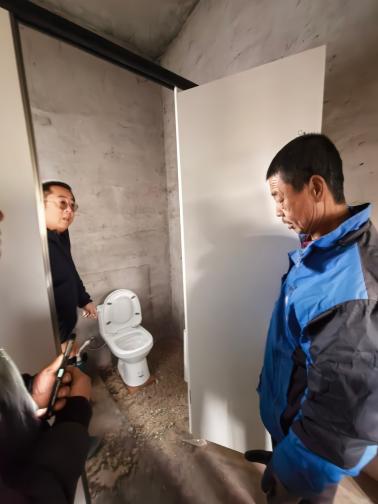
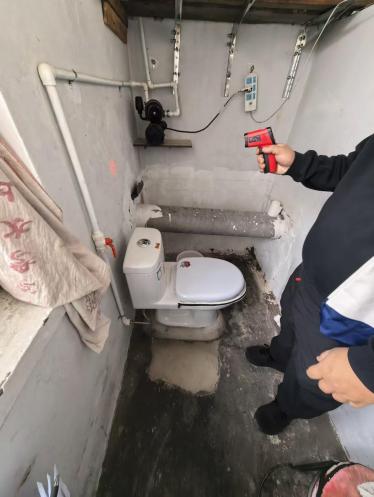
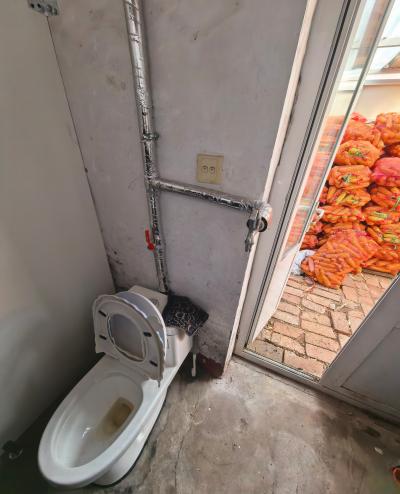
The activities provided detailed public education on the harmless treatment of fecal waste from rural toilets and its scientific return to farmland. They guided farmers to make full use of fecal waste resources, reduce chemical fertilizer input, and improve cultivated land quality. The activities promoted the organic integration of toilet revolution outcomes with ecological agriculture and green farming. They helped continuously reduce rural non-point source pollution and supported the green and sustainable development of agriculture.
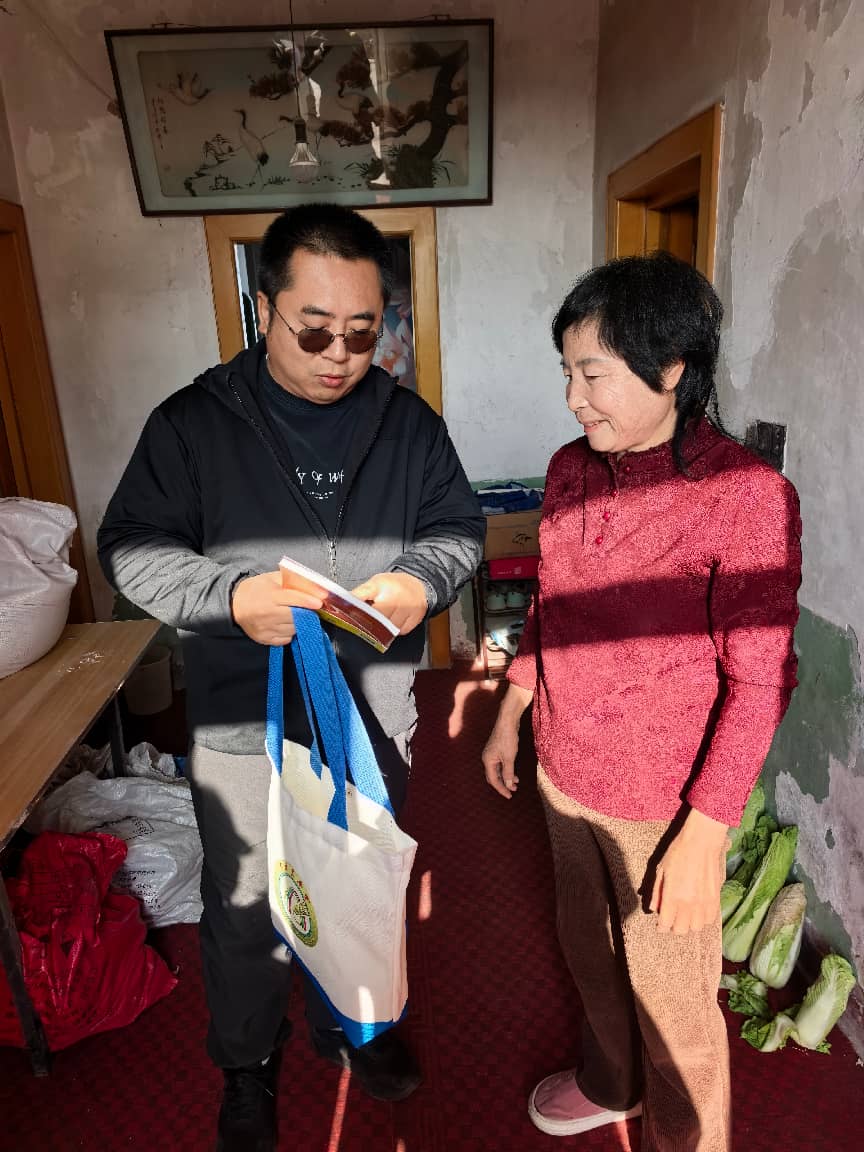
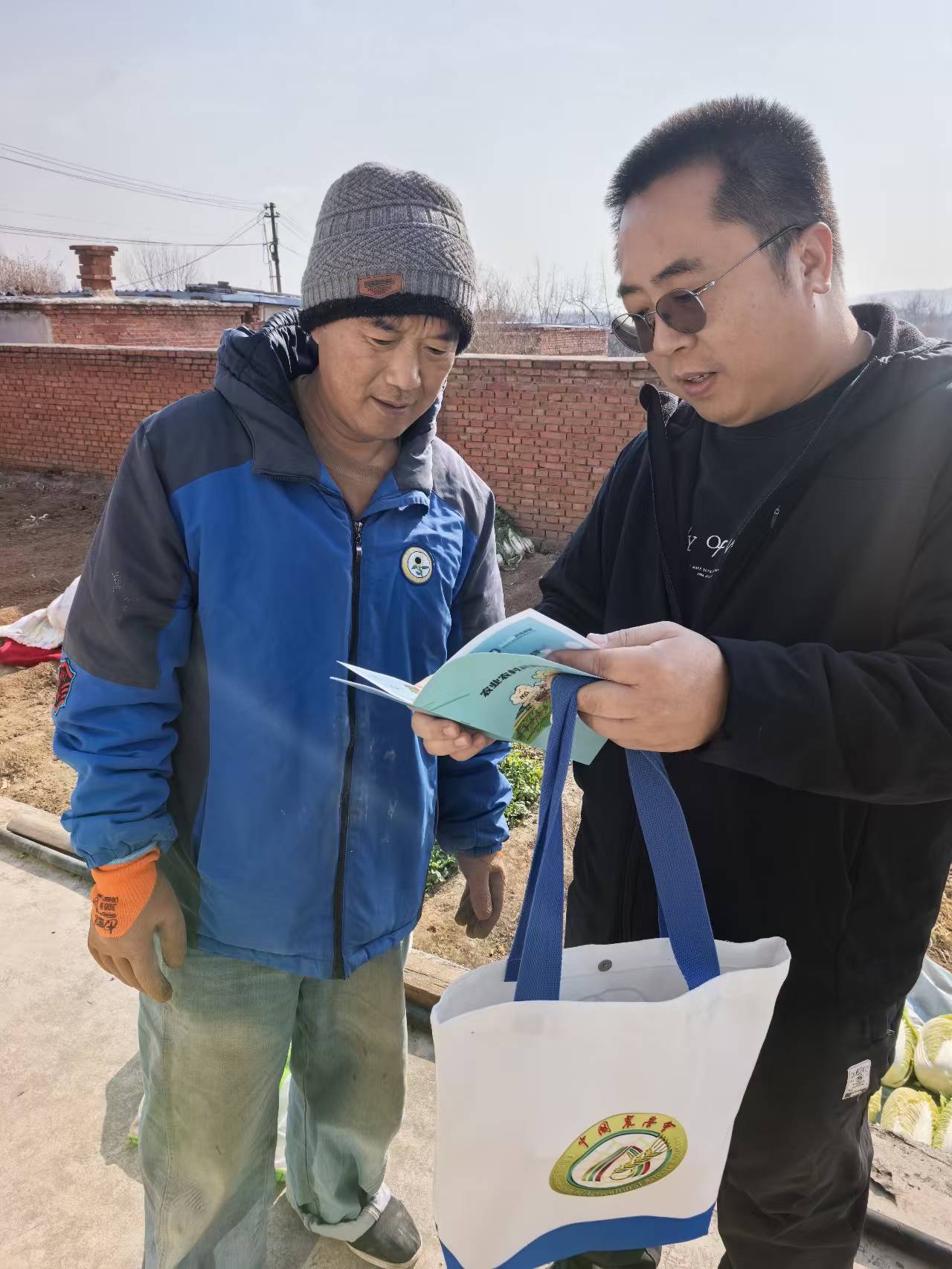
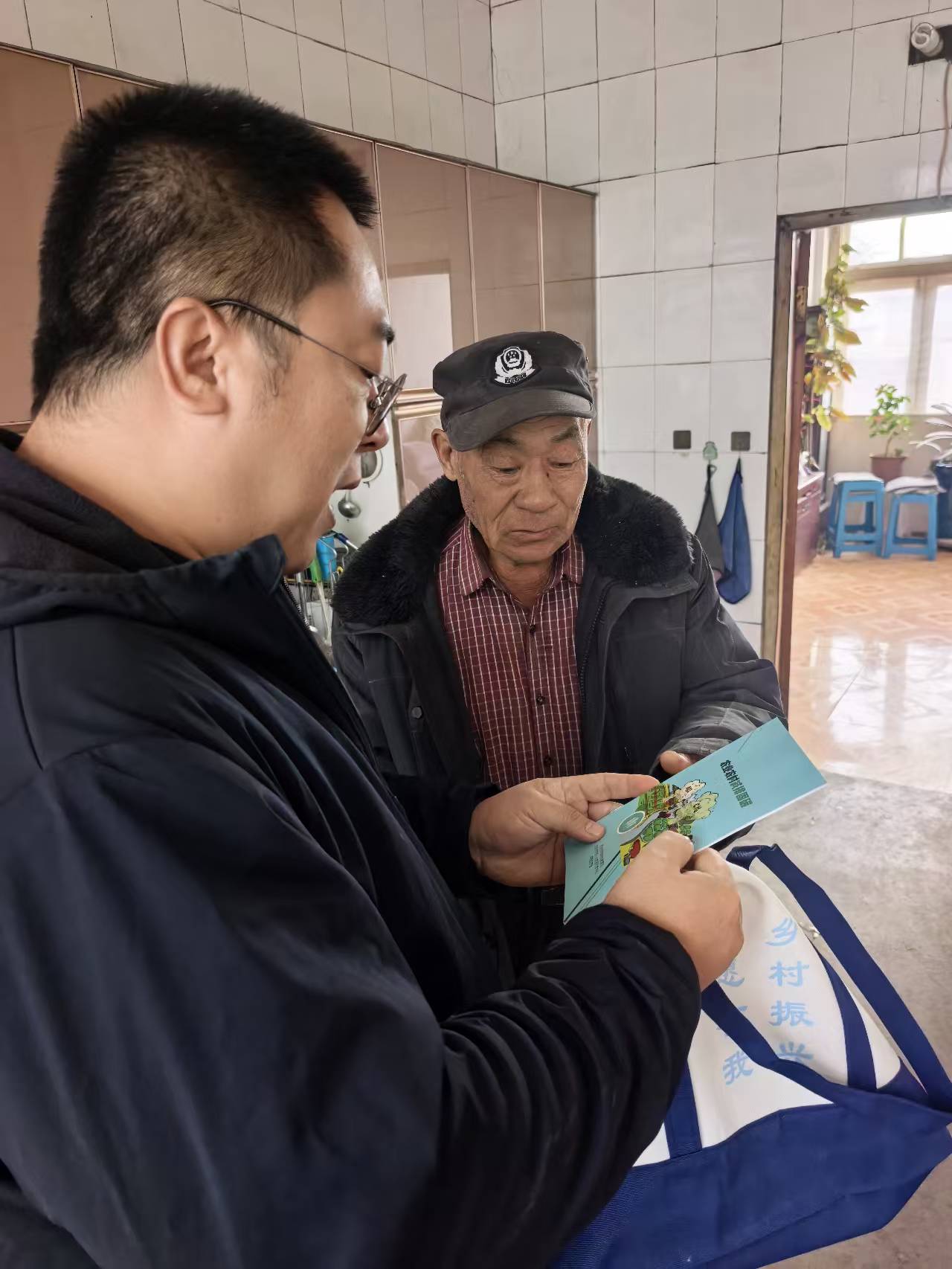
This household-based outreach precisely addressed farmers' practical needs for winter maintenance. It effectively remedied the shortcomings in winter maintenance of rural household toilets in cold regions. It further consolidated the achievements of rural living environment improvement. Going forward, the relevant teams of the Biogas Research Institute will continue to carry out regular household technical guidance and public education. They will improve long-term maintenance mechanisms. They will work collaboratively to promote both the quality and efficiency enhancement of rural living environments and the high-quality development of ecological agriculture.