Research
National Key R&D Program Promotion Meeting on Agricultural Non-Point Source and Heavy Metal Pollution Prevention and Control, and Green Agricultural Inputs R&D Held in Chengdu
On June 16, the promotion meeting of the National Key Research and Development Program entitled “Prevention and Control of Agricultural Non-point Source and Heavy Metal Pollution and Development of Green Agricultural Inputs” was held in Chengdu, Sichuan Province. The meeting was hosted by the Development Center for Science and Technology of the Ministry of Agriculture and Rural Affairs, and co-organized by the Biogas Institute of Ministry of Agriculture and Rural Affairs (BIOMA).
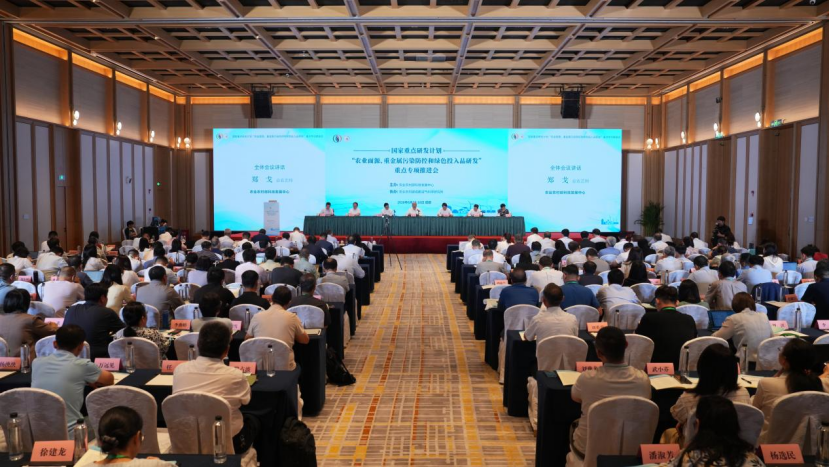
Liu Xianwu, Vice President of the Chinese Academy of Agricultural Sciences (CAAS), and representatives from the Development Center for Science and Technology of the Ministry of Agriculture and Rural Affairs, the Sichuan Provincial Department of Science and Technology, and the Sichuan Provincial Department of Agriculture and Rural Affairs attended the opening ceremony and delivered remarks.
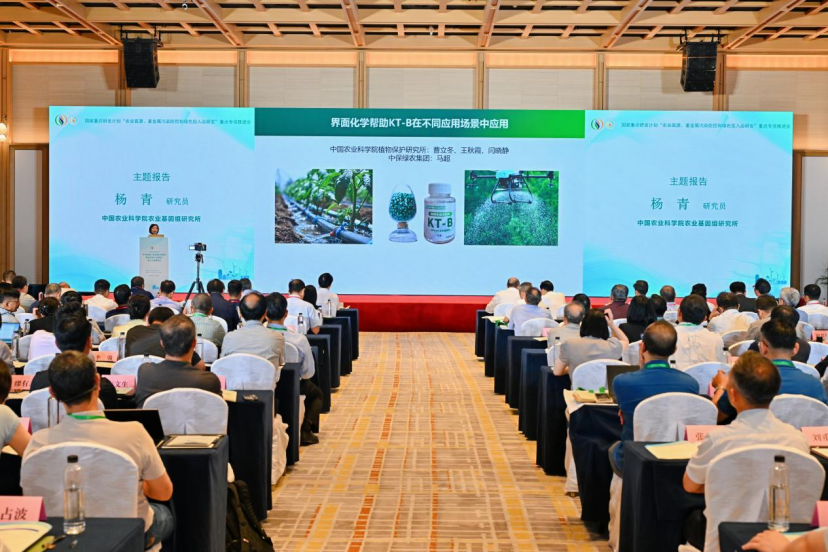
Yang Qing, Researcher, Institute of Agricultural Genomics, Chinese Academy of Agricultural Sciences (CAAS)
The thematic session was chaired by BIOMA Director General Meng Haibo. Keynote reports were delivered by Yang Qing from the Institute of Agricultural Genomics, CAAS, Yang Yuechao from Shandong Agricultural University, and Chen Li from the Wens Group Research Institute. More than 300 participants, including academicians, chief scientists of national key R&D projects, and leading researchers from universities, research institutes, and enterprises across China, attended the meeting.
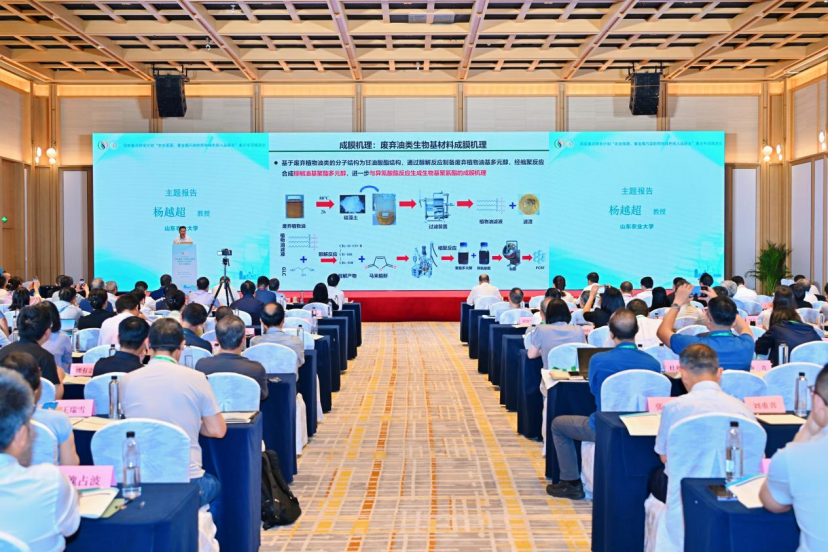
Yang Yuechao, Professor, Shandong Agricultural University
The conference focused on major issues including agricultural non-point source pollution control, heavy metal pollution prevention, and the development of green agricultural inputs. It brought together leading scientific and technological forces in agricultural innovation and green development, aiming to build a collaborative platform for multi-stakeholder engagement with a strong emphasis on technology transfer and the integration of industry, academia, and research. The meeting sought to accelerate the application of key technologies in pollution prevention and control, thereby contributing to safeguarding national food security and advancing the development of an agricultural powerhouse.
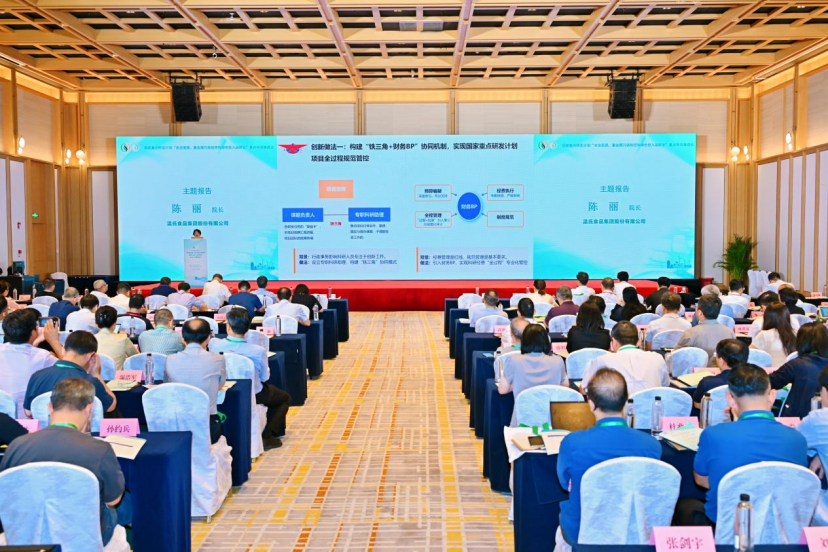
Chen Li, Director, Wens Group Research Institute
The promotion meeting included three parallel sessions focusing respectively on: innovation in green pesticides and precision fertilizer application with risk control; resource utilization of agricultural waste and development of green inputs; and monitoring, prevention, and control of agricultural non-point source pollution as well as technologies for farmland environmental remediation.
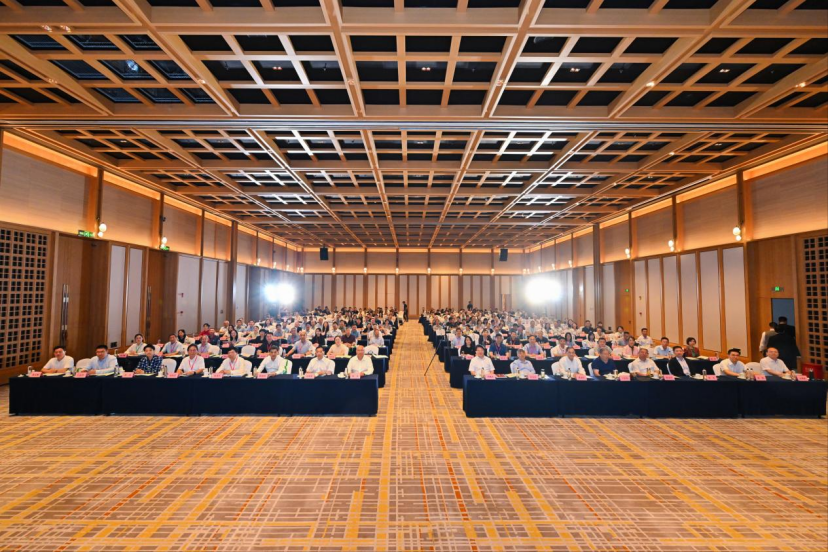
Project leaders systematically reported on project progress, completion of performance indicators, landmark achievements, fund utilization, existing challenges, and future plans. Experts at the meeting highly recognized the phased achievements of the projects and provided targeted recommendations, including issues such as delays in implementation progress, suboptimal application and dissemination outcomes, and low budget execution efficiency, to further support the high-quality delivery of the program.
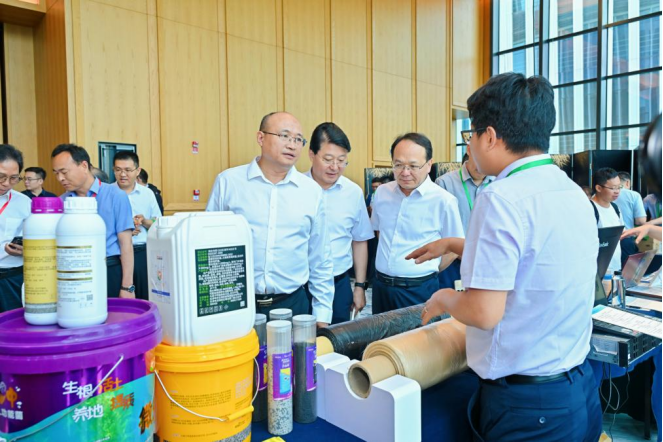
In the exhibition session of scientific and technological achievements, the meeting showcased the latest outcomes from various projects, including novel green pesticides, bio-organic fertilizers, agricultural waste resource utilization technologies and equipment, as well as artificial intelligence and high-performance computing tools, demonstrating significant progress in agricultural green innovation in China.
The meeting emphasized that the period of the 15th Five-Year Plan will be a critical stage for fully advancing green development. All implementing units were urged to thoroughly implement the guiding principle that “new quality productive forces are in essence green productive forces,” strengthen refined project management, improve milestone control, and ensure coordinated responsibility across all stakeholders to guarantee high-quality project implementation.
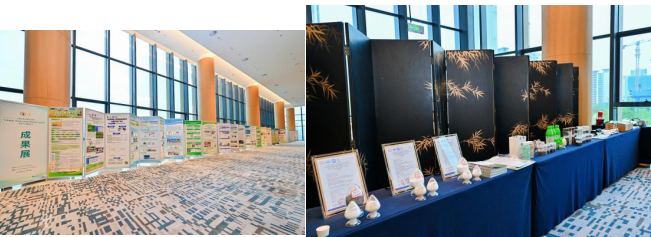
Efforts should be focused on cultivating and translating landmark achievements, deepening integration between industry, academia, research, and application, and leveraging technological innovation to drive green agricultural development. The ultimate goal is to transform scientific achievements into practical productivity, providing strong technological support for national food security, farmland quality improvement, and pollution reduction at the source, and contributing to the construction of a strong agricultural nation.